
 Home
 Cart
 Login
The Best Ice Machines for Busy Restaurants in 2026
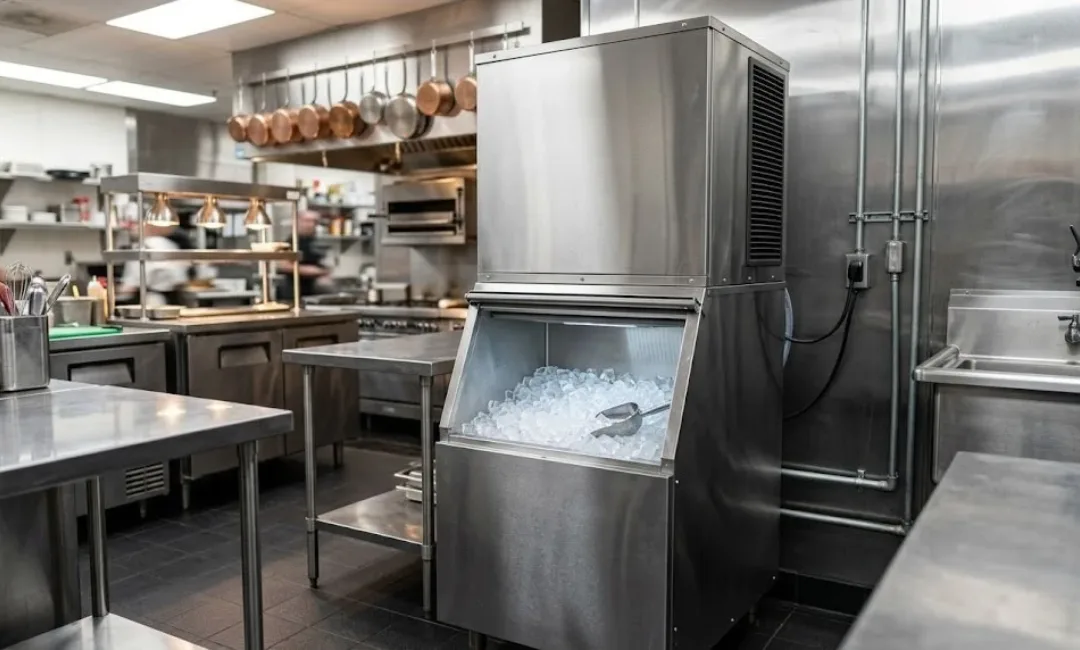
For a busy restaurant, ice is more than something added to a cold drink. It supports beverage service, food preparation, displays, and everyday kitchen operations. When demand suddenly increases during lunch, dinner, or a weekend rush, an undersized ice maker can quickly become a serious problem.
Choosing the best restaurant ice machine means looking beyond its advertised production capacity. You need to consider the type of ice, storage capacity, available space, cooling system, water supply, and how much ice your restaurant actually uses.
In this blog, you will learn how to choose the right commercial ice machine for a busy restaurant, which machine types to consider, how much capacity you may need, and what to check before you buy.
Why busy restaurants need the right ice machine
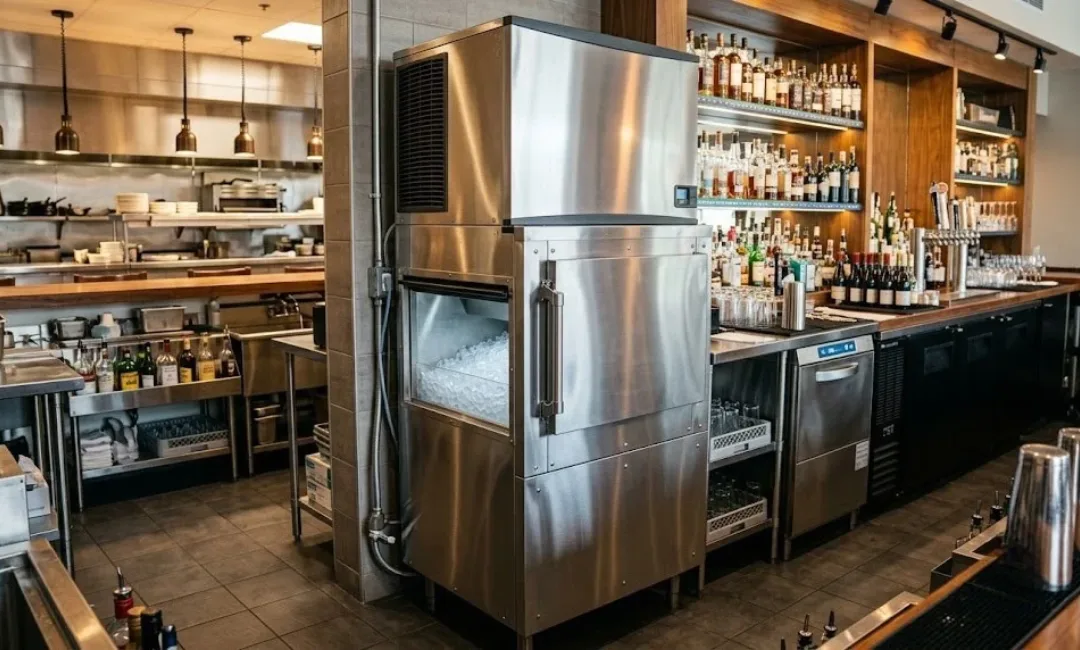
Restaurants can go through surprisingly large amounts of ice in a single day. Drinks, cocktails, iced tea, food preparation and customer service can all contribute to demand.
The biggest mistake is choosing a machine based only on average daily usage. A restaurant needs to prepare for its busiest service periods. If the ice bin is empty halfway through a Saturday evening, staff may have to rely on emergency bags of ice while drinks continue to leave the kitchen.
A properly sized commercial restaurant ice maker provides consistent production while giving the restaurant enough storage to handle sudden increases in demand.
What makes the best ice maker machine for restaurants?
There is no single machine that is perfect for every restaurant. The right choice depends on the operation.
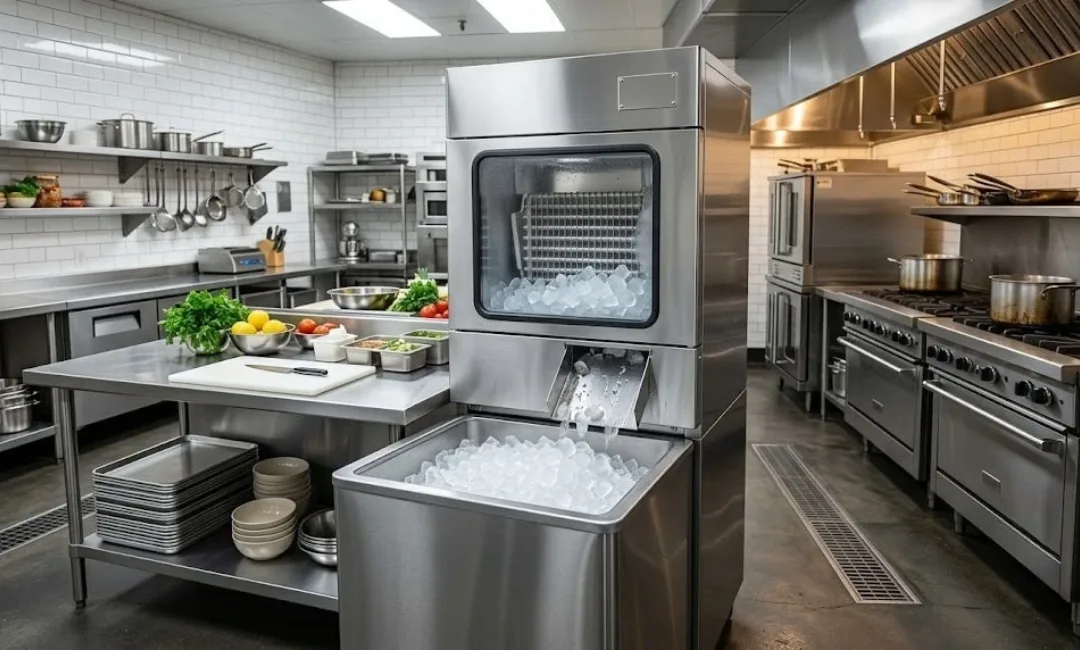
Modular ice machines
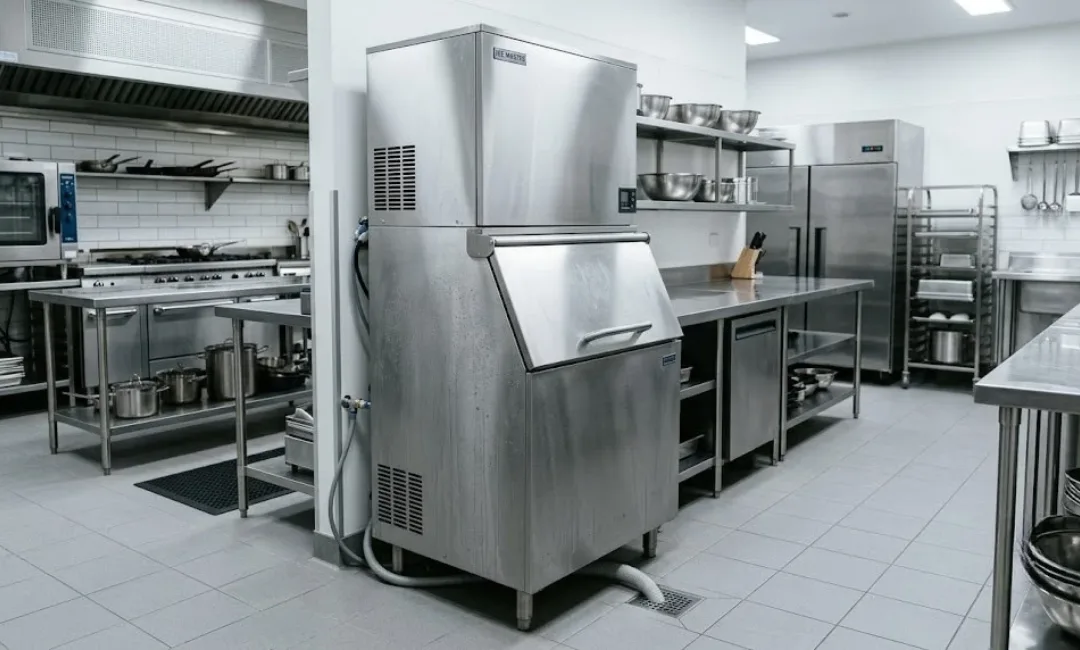
Modular machines are designed for restaurants that need substantial ice production. The ice making head sits on top of a separate storage bin, allowing operators to choose a combination that suits their production and storage requirements.
These machines are particularly useful for larger restaurants, busy bars, hotels and high volume foodservice operations. Commercial modular machines can offer production capacities ranging from a few hundred pounds per day to well over 1,000 pounds depending on the model.
Undercounter machines
An undercounter machine combines ice production and storage in one cabinet. It can be a practical choice for restaurants, cafes, and bars where floor space is limited.
Although these machines generally have lower production capacity than large modular systems, they can work well when the restaurant has moderate demand and needs an efficient footprint.
Specialty ice
Ice shape matters too. Cube ice is widely used for beverages because it provides good cooling while melting relatively slowly. Nugget ice is popular for drinks where a softer, chewable texture is preferred. Flake ice can be useful for food displays and applications where products need to be surrounded by ice.
The best restaurant ice machine should produce the type of ice that matches your menu. See ice types by venue.
How much ice does a busy restaurant need?
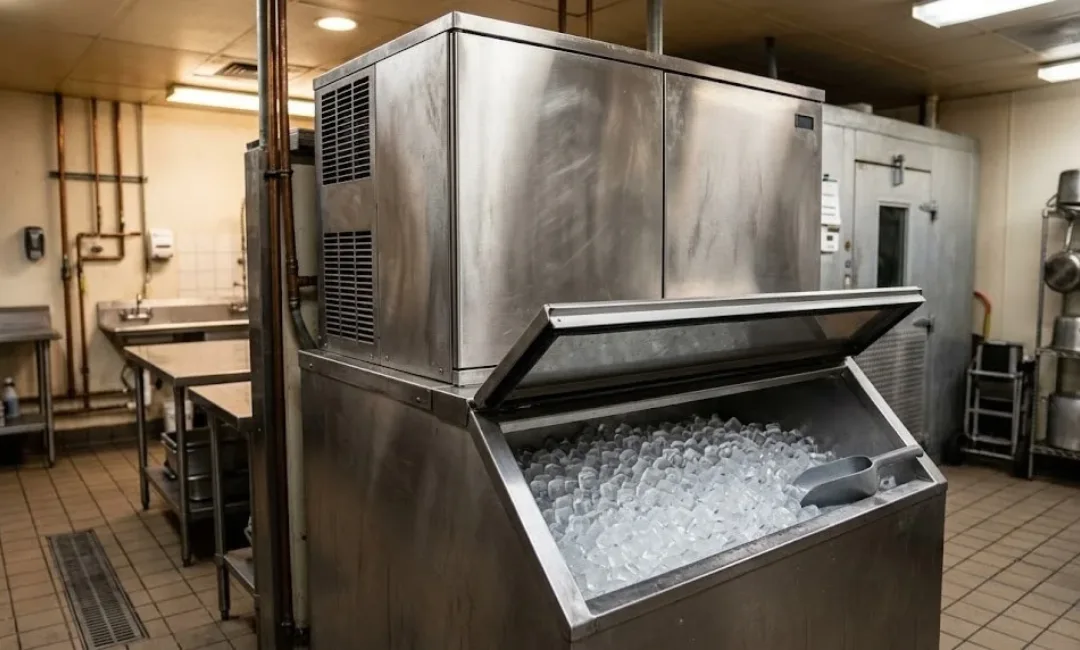
Before buying equipment, estimate your busiest realistic day rather than simply looking at your average.
Factors such as the number of meals served, bar activity, iced beverages, outdoor seating, and seasonal demand can all influence consumption. Some commercial equipment guides recommend using restaurant-specific consumption estimates and then allowing additional capacity for peak demand.
For example, a restaurant serving hundreds of meals each day may need significantly more production than a small cafe. A cocktail-focused restaurant can also consume large quantities because drinks require substantial amounts of ice.
A high-volume commercial ice machine can therefore be a sensible choice for operations where running out of ice would immediately affect service.
What to look for in a restaurant ice machine
When comparing machines, consider more than production numbers.
- 01Production capacityCheck how many pounds of ice the machine can produce within 24 hours. Real-world production can vary with ambient temperature and incoming water temperature.
- 02Storage capacityProduction and storage are different. A machine may produce plenty of ice but still struggle if its storage bin is too small for your busiest service period.
- 03Cooling methodAir cooled, water cooled and remote condenser systems each have different installation considerations. Room temperature, ventilation and available utilities should be checked before purchase.
- 04Space and installationMeasure the available space carefully. Check water connections, drainage, electrical requirements, ventilation and access for cleaning and servicing.
- 05MaintenanceRegular cleaning, water filtration, and professional maintenance can help keep an ice machine operating efficiently. Easy access to components is also worth considering. Our preventive maintenance page covers what that service includes.
Restaurant ice machine buying guide for 2026
A good restaurant ice machine buying guide should always begin with your restaurant rather than a particular brand.
Start by calculating peak demand. Then decide which ice type works best with your drinks and food service. After that, compare machine configurations, production capacity, and storage.
You should also consider the machine's physical dimensions and utility requirements before purchasing. If you are buying used or clearance equipment, check the machine's condition, testing information, warranty coverage, and available service support.
Ice Machine Clearance's restaurant guidance recommends looking at peak production, storage, ice type, installation requirements, cooling method, and overall operating value rather than focusing only on the headline production figure.
Which ice machine is best for busy restaurants?
The answer depends on how your restaurant operates.
A compact undercounter machine may suit a smaller operation, while a modular system with substantial storage can make more sense for a restaurant with heavy beverage service and consistently high demand.
The goal is simple. Choose a machine that can keep up with your busiest periods, produces the right type of ice, fits your available space, and works with your existing utilities. Taking the time to compare these factors can help you avoid costly capacity problems later.
Frequently asked questions
Compare a purchase with a rental
If you are comparing a purchase with a rental, start with peak demand and the ice your menu actually uses. You can browse ice machines for sale, review commercial ice machine rental, or read how cafes choose between cube and nugget ice.